The Second Number Question: Does a Spare Prepaid SIM Actually Earn Its Keep?

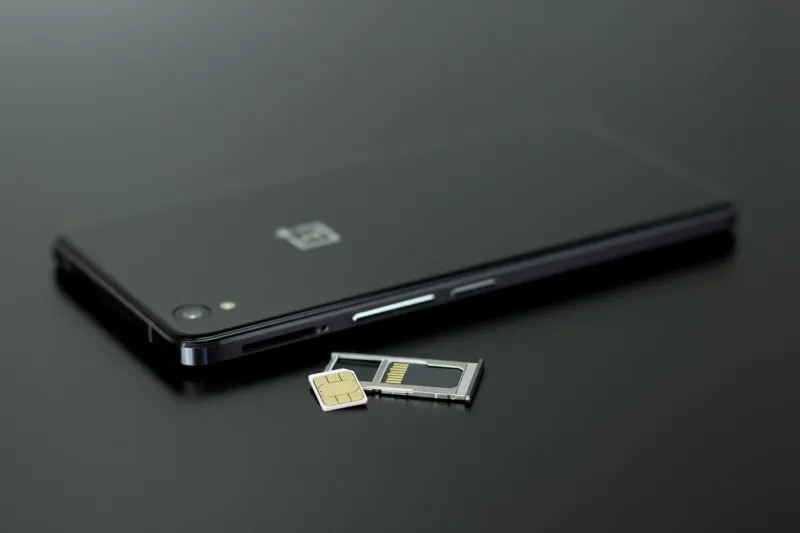
Photo by Photo by Ottr Dan on Unsplash on Unsplash
There's a particular kind of UK phone owner who has three SIMs in a drawer, two of them expired, and no idea which one their old Deliveroo account is attached to. I've been that person. So before you order a freebie SIM from a comparison site and start handing the number out like business cards, it's worth asking a dull but useful question: what is this line actually for, and what does it cost me to keep it breathing?
Because a second prepaid SIM isn't free. It's cheap, which is different. And cheap things that quietly expire have a habit of biting you at the worst possible moment.
The genuine case for a second number
Let's start with where a spare line earns its place. There are four situations where I think a second prepaid SIM is straightforwardly sensible.
Marketplace selling. Facebook Marketplace, Vinted, Gumtree, eBay — anyone who's sold a pram or a bike and then got a stream of messages months later knows the score. Handing out a number you can mute, or bin entirely, is a small act of self-defence.
Gig and delivery work. If you're doing deliveries or driving, a work number that's separate from your personal one makes the end of a shift feel like an actual end of shift. No 9pm pings from a customer who can't find your flat.
Dating apps. Not because everyone on them is a wrong 'un, but because you don't want to change your main number — the one tied to your bank, your family group chat, your two-factor codes — because a stranger got weird.
Sign-ups that demand a phone number. Loyalty schemes, competitions, a one-off discount code, a free trial that absolutely insists. If a form wants digits before it'll give you a PDF, a spare number is the tidier answer.
Notice the pattern? None of it is about hiding. It's about compartmentalising — keeping the number that matters out of the places it doesn't need to be.
Where the maths goes wrong
Here's the bit the free SIM adverts skip. A prepaid line only exists while it has credit and activity.
Most UK prepaid SIMs need some kind of top-up or chargeable use every few months to stay alive. Leave one dormant for long enough and you'll lose the number, along with any credit sitting on it. That's not a scam, it's just the deal you signed up to. But it means your "free" spare SIM is really a small standing commitment — a few quid every few months, plus the mental load of remembering it exists.
Is that worth it? For the four use cases above, often yes. A fiver every quarter to keep a clean work number is cheap. But if your spare SIM is sitting in an old handset that hasn't been switched on since spring, you're paying for a service you're not using, and the number you promised your buyers you'd be reachable on is probably already gone.
The two-factor trap
Now the part that actually catches people out. Somewhere along the line — usually accidentally — a spare number gets attached to something that matters.
It happens like this. You use the second SIM for a marketplace account, then the app gets handy and you start using it for a food delivery account, then your bank app asks for a number and your main handset is charging, so you tap in the spare. Six months later the spare SIM expires, and the login you need is waiting on a code sent to a number that no longer exists.
Prepaid numbers are the most likely to be recycled, for obvious reasons — they churn constantly. So the golden rule is simple: nothing that matters should be recoverable only through a prepaid number. No bank logins, no main email, no password manager, no crypto wallet, nothing tied to your ID.
If you want to keep a second line, treat it as a front desk, not a vault. It greets people and takes messages. It doesn't hold the keys.
Don't kid yourself it's a shield
A second number gives you compartmentalisation, not anonymity. It's still registered to you. It still shows on the networks, it still receives messages in plain text, and it does nothing about the fact that you handed your address to a stranger on a marketplace because you wanted the bike gone by Sunday.
If someone's goal is to avoid being found, a prepaid SIM in their own name doesn't achieve it, and I'd rather say that plainly than sell the fantasy. What a second number does brilliantly is limit the mess — fewer spam texts, fewer cold calls, and a clean way to cut contact without nuking the number your life runs on.
The practical setup that actually works
If you're going ahead, keep it dull and disciplined:
- One handset, dual SIM, if you can. A phone that takes two SIMs (or eSIM plus physical) beats carrying two bricks. If you're on an older handset, a cheap spare from a drawer is fine — just remember to charge it.
- Pick a network that covers where you actually are. A spare line that shows no bars in your kitchen is a paperweight. Check coverage before you commit.
- Set a top-up reminder in your calendar a couple of weeks before the expiry window closes. Give yourself margin.
- Label it mentally. "This is the Gumtree number." If you can't say what it's for in one sentence, that's your answer.
- Write the number down somewhere you'll find it. Including any accounts it's attached to. Future you will be grateful.
The honest checklist
A second prepaid SIM is worth the faff if you can tick most of these:
- You can name at least two active uses for it right now — not "might be handy".
- It costs you under a tenner a quarter to keep alive, and you're happy with that.
- Nothing important depends on it — no banking, no primary email, no password resets.
- You've got a reminder set for topping up before it lapses.
- Your spare handset holds a charge and gets switched on more than once a season.
- The network you've chosen covers your home and your usual patch.
- You'd still want it if it never saved you a single nuisance call.
Fail three or more and you're probably not running a second line — you're running a small monthly leak with a SIM-shaped lid. Bin it, keep the main number, and spend the difference on credit that actually gets used.
That's the whole thing, really. A spare prepaid number is a decent tool for keeping your real one out of the postbox. It's a poor substitute for security, and a worse one for attention. Decide which you're after before you order the plastic.